The Relationship Between Fine Art and Photography: Exploring Their Interconnections and Influence
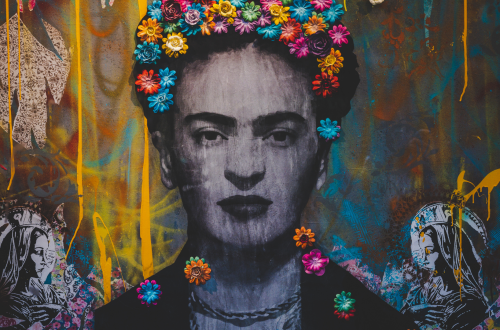
The interplay between fine art and photography reveals a rich dialogue that has evolved. Photography has established itself as a legitimate form of artistic expression, often paralleling and influencing traditional fine art techniques. This relationship challenges the boundaries of creativity and raises questions about what constitutes art in contemporary society.
Fine artists have increasingly embraced photography as both a tool and a medium, utilizing it to explore themes, document reality, and even create entirely new visual experiences. In turn, photographers often draw inspiration from classic art principles, melding their work with elements of painting, sculpture, and beyond. This fusion encourages a deeper appreciation for both forms and invites viewers to engage in a broader conversation about creativity.
As they navigate this relationship, artists and audiences alike find themselves asking how each discipline informs the other. The evolution of styles and techniques between these two realms serves to enrich visual culture, making it vital to explore their ongoing connection.
Historical Evolution of Fine Art and Photography
The relationship between fine art and photography has evolved significantly since photography’s inception. The development of various techniques and movements has shaped how both media influence each other.
Early Photographic Techniques and Fine Art Influence
The emergence of photography in the early 19th century posed questions regarding artistry and craft. Techniques such as daguerreotype and calotype allowed for detailed representations of reality. Artists acknowledged these innovations, often incorporating photographic elements into their work.
Fine art practitioners began experimenting with photography to enhance their painting and drawing practices. The precise detail captured by early cameras inspired artists to adopt new methods. This collaboration between the two forms laid a foundation for further exploration in visual art.
Pictorialism: Blurring the Lines Between Two Disciplines
In the late 19th and early 20th centuries, Pictorialism sought to elevate photography to the status of fine art. Photographers aimed to create images that conveyed emotion and artistic expression, resembling paintings.
Pictorialists employed techniques like soft focus and manipulated lighting to achieve painterly effects. This movement encouraged photographers to view their work as an extension of traditional art forms. Consequently, Pictorialism played a crucial role in altering perceptions of photography as a legitimate artistic medium.
Modernism and the Embrace of Photographic Merit
The Modernist movement further transformed the intersection of fine art and photography. Artists began to embrace the unique characteristics of photography, focusing on composition and abstraction.
Photographers like Alfred Stieglitz showcased photography as an independent art form, emphasizing its merit alongside traditional arts. This shift recognized photography’s distinct voice while maintaining a dialogue with fine art. It led to the acceptance of photography in galleries and museums, solidifying its place in the art world.
Aesthetic Principles and Visual Language
Aesthetic principles play a crucial role in both fine art and photography, influencing how viewers engage with visual works. Key elements like composition, color, and light guide the creation and interpretation of images, shaping the emotional and intellectual responses of the audience.
Composition and the Rule of Thirds
Composition refers to how elements are arranged within a visual frame. The Rule of Thirds is a widely recognized technique that suggests dividing the frame into nine equal parts with two horizontal and two vertical lines.
Key points include:
- Focal Points: Placing subjects along these lines or at their intersections creates balance and draws attention.
- Dynamic Tension: This approach adds visual interest by avoiding centered compositions, making images more engaging.
- Guiding the Viewer’s Eye: Strategic placement allows the eye to flow through the composition, enhancing narrative structure.
Understanding this principle enhances both artistic endeavors and photographic practices.
Color Theory in Fine Art and Photography
Color theory examines how colors interact and affect emotions. Comprehending color relationships—such as complementary, analogous, and triadic schemes—can enhance the impact of both fine art and photography.
Important aspects include:
- Color Harmony: Using harmonious colors can evoke specific feelings, creating coherence within a piece.
- Contrast: High contrast can draw attention to focal points, while muted colors may create a more subdued atmosphere.
- Cultural Significance: Different colors carry various meanings across cultures, influencing the viewer’s experience.
Mastering color theory enables artists and photographers to communicate more effectively through their work.
Light and Shadow: Shaping Mood and Form
Light and shadow significantly influence the perception of form and mood in both fine art and photography. The way light interacts with subjects can alter their appearance and emotional weight.
Key considerations are:
- Natural vs. Artificial Light: Each type creates different atmospheres—natural light typically feels softer and more inviting, while artificial light can create stark contrasts.
- Shadows as Elements: Shadows can add depth and texture, enhancing visual storytelling and creating a three-dimensional effect.
- Directional Light: The angle of light affects how forms are perceived, influencing the overall mood of the composition.
Understanding light and shadow enables a more nuanced approach to visual creation and enhances interpretive depth.
Cultural and Societal Impact
Fine art and photography share a complex relationship that shapes cultural narratives and societal perceptions. Through documentation, artistic expression, and institutional support, each medium influences the other, reflecting and challenging cultural norms and values.
Photography as Documentation and Commentary
Photography serves as a powerful tool for documentation, providing visual evidence of events, movements, and societal changes. Through capturing moments in time, photographers highlight social issues, from poverty to war, often spurring public discourse. For instance, photojournalism has played a critical role in documenting civil rights movements and humanitarian crises, making invisible issues visible.
Moreover, photographs can evoke emotional responses that written words might not capture. They immediately present reality, allowing viewers to witness personal stories and collective experiences. This immediacy can prompt audiences to reflect on their own beliefs and actions, igniting a desire for change.
Fine Art Photography and Societal Reflection
Fine art photography often transcends mere documentation, serving as a mirror to society. Artists use this medium to explore themes such as identity, gender, and race, challenging viewers to confront uncomfortable truths. Works by photographers like Cindy Sherman and Thomas Struth provide critical commentary on societal norms and expectations.
In many instances, fine art photography engages with cultural artifacts and practices, elevating everyday objects to an art form. This genre encourages audiences to reconsider the significance of common experiences and social structures, fostering deeper understanding. The interplay between fine art and personal narratives exemplifies how photography can shape cultural discourse.
The Role of Galleries and Public Perception
Galleries play a vital role in shaping public perception of photography as fine art. By exhibiting photographic works alongside traditional art forms, galleries elevate the medium, framing it as a serious contender within the art world. This recognition can influence how society values photography, changing the narrative around its artistic significance.
Public exhibitions also provide platforms for diverse voices, promoting underrepresented artists and themes. Engaging with these works fosters dialogue and reflection among viewers, expanding their understanding of cultural issues. Ultimately, the gallery environment reinforces photography’s role as a medium for both artistic expression and societal critique, influencing cultural narratives and perceptions.


You May Also Like
Exploring the Boundaries of Abstract Photography

The Art of Capturing Authenticity in Documentary Photography